10 Best AI Hiring Software Compared for Speed, Cost & Quality
Hiring today is no longer just about filling roles, it is about doing it faster, smarter, and with better results.
AI hiring software is helping teams reduce time-to-hire, cut recruitment costs, and improve candidate quality without increasing workload.
But with so many tools offering different capabilities, choosing the right one can quickly become overwhelming.
In this guide, you will discover the 10 best AI hiring software, how they compare on speed, cost, and quality, and which tool fits your hiring needs.
How We Compared the Best AI Hiring Software
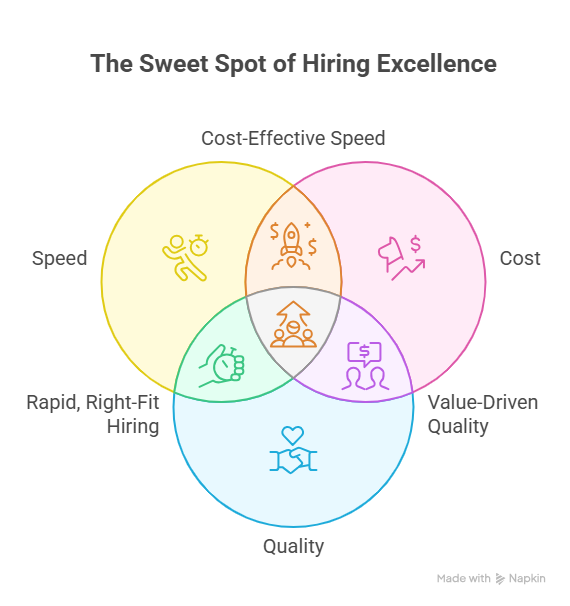
To make this comparison useful, you need clear and practical criteria.
We evaluated each AI hiring software based on speed, cost, and quality—three factors that directly impact your hiring outcomes.
Along with that, we also considered ease of use, automation depth, and how well each tool scales as your hiring needs grow.
1. Speed: Time-to-Hire Reduction
Speed is often the difference between hiring top talent and losing them.
AI-powered hiring software reduces time-to-hire by automating sourcing, screening, and interview scheduling in one flow.
This means you can move candidates faster through the pipeline while also creating a smoother and more responsive candidate experience.
2. Cost: Pricing and ROI
Hiring costs go beyond just salaries and tools.
AI powered hiring software helps you cut costs by reducing manual effort, limiting dependency on agencies, and automating repetitive tasks.
Over time, this leads to better ROI and pricing as you hire faster, spend less, and use your team’s time more efficiently.
3. Quality: Better Candidate Matching
Hiring faster only works if you hire the right people.
The best AI hiring software uses data-driven matching, skill analysis, and intelligent screening to identify high-fit candidates early.
This improves hiring accuracy, reduces bias, and ultimately helps you build stronger teams with lower attrition.
10 Best AI Hiring Software Compared for Speed, Cost & Quality
Now that you know how we evaluated each tool, let’s look at the top options available today.
This list of AI hiring software is selected based on real hiring impact—how well each tool improves speed, reduces cost, and enhances candidate quality.
For each tool, you’ll see a clear breakdown of pros, cons, and the ideal use cases so you can choose what fits your hiring needs best.
1. Leelu.ai
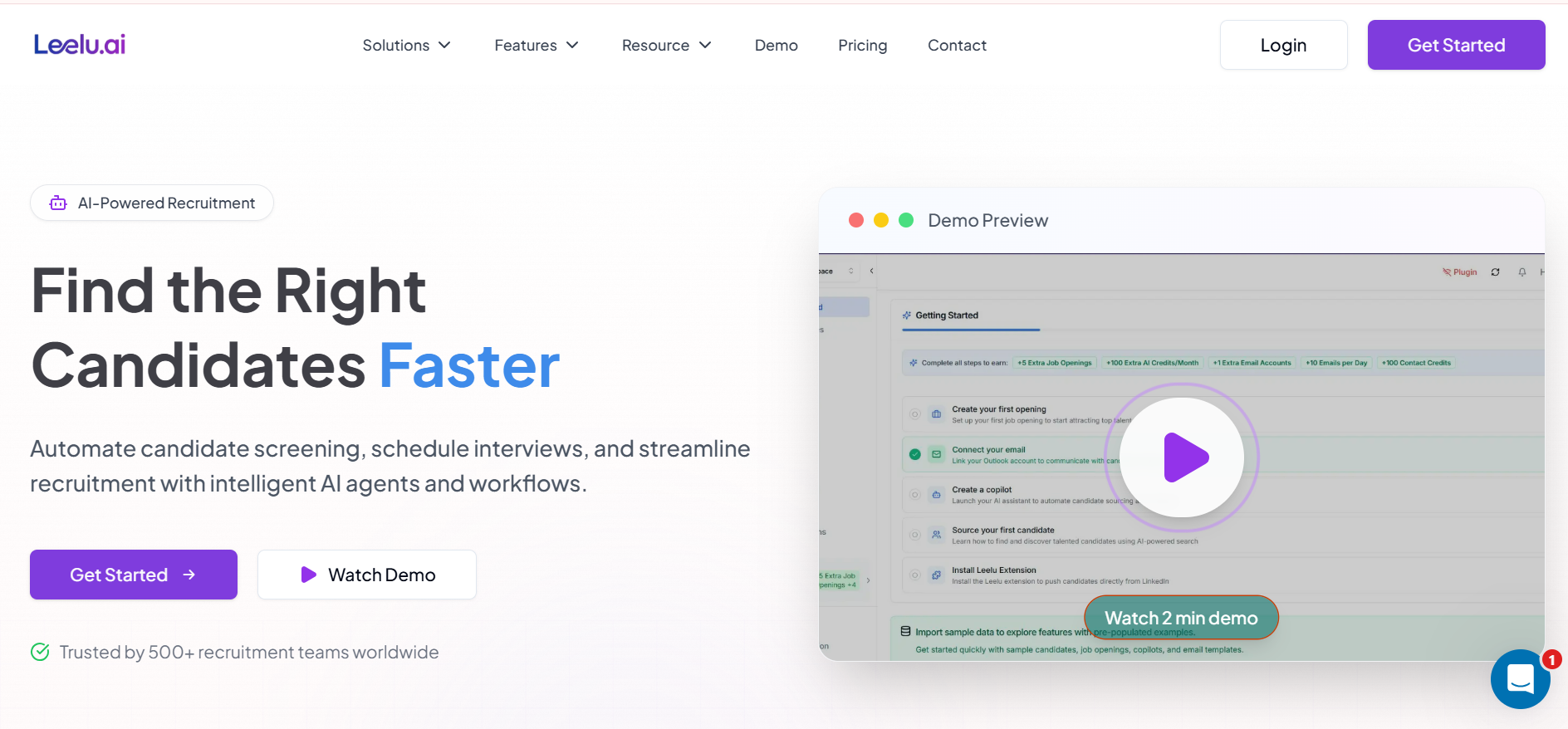
If you’re looking for a tool that handles the entire hiring process, Leelu.ai stands out as a complete AI-powered hiring software.
It automates sourcing, resume screening, outreach, and scheduling in one seamless flow, helping you move from job post to interview much faster.
This makes it ideal for teams that want to scale hiring without increasing recruiter workload or complexity.
Key Features
Leelu focuses on the parts of hiring that usually take the most time.
- Automated candidate sourcing across multiple platforms
- AI-based matching and candidate scoring
- Personalized outreach and follow-up automation
- Interview scheduling with calendar integration
- Unified workflow with ATS integration
These features work together to reduce manual effort and speed up hiring decisions.
Pros:
- Strong end-to-end automation across the hiring funnel
- Easy to use with minimal setup required
- Significant reduction in manual recruiting work
Cons:
- May feel feature-heavy for very small hiring needs
- Best suited for teams with consistent hiring volume
Suggested Reading:
10 Best AI Hiring Assistant for Faster & Smarter Recruiting2. HireVue
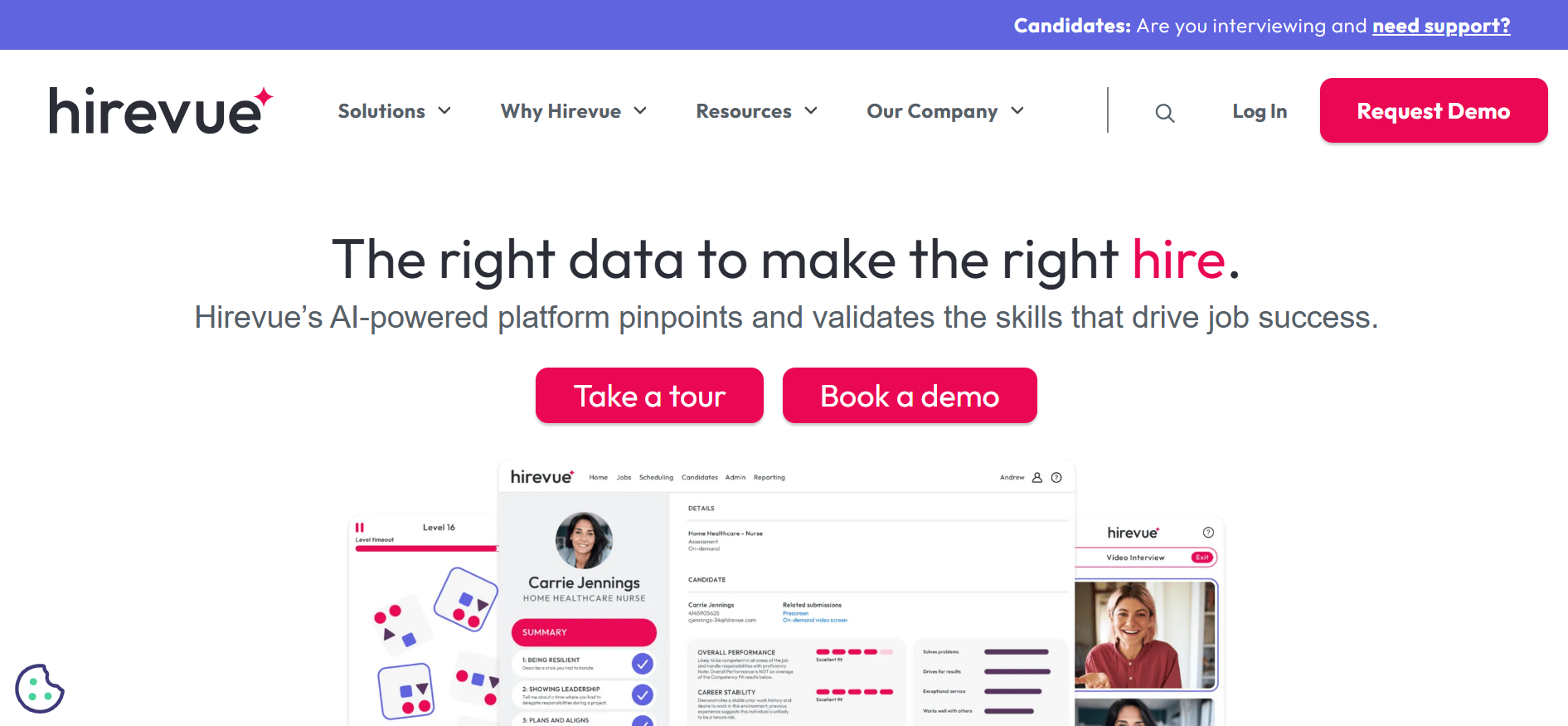
If your hiring process relies heavily on interviews, HireVue is a strong AI hiring software focused on video-based evaluations.
It helps you automate interviews and assess candidates at scale without needing live scheduling for every step.
This makes it useful for teams handling high-volume hiring with standardized evaluation processes.
Key Features
HireVue simplifies how you conduct and evaluate interviews.
- On-demand video interviews for flexible candidate responses
- AI-powered assessments to evaluate skills and behavior
- Structured interview frameworks for consistent evaluation
These features help you screen candidates faster while maintaining consistency.
Pros:
- Strong interview automation with asynchronous video workflows
- Consistent and standardized candidate evaluation
- Useful for high-volume hiring scenarios
Cons:
- Limited flexibility for highly personalized hiring processes
- May feel rigid for roles requiring nuanced evaluation
3. Tezi
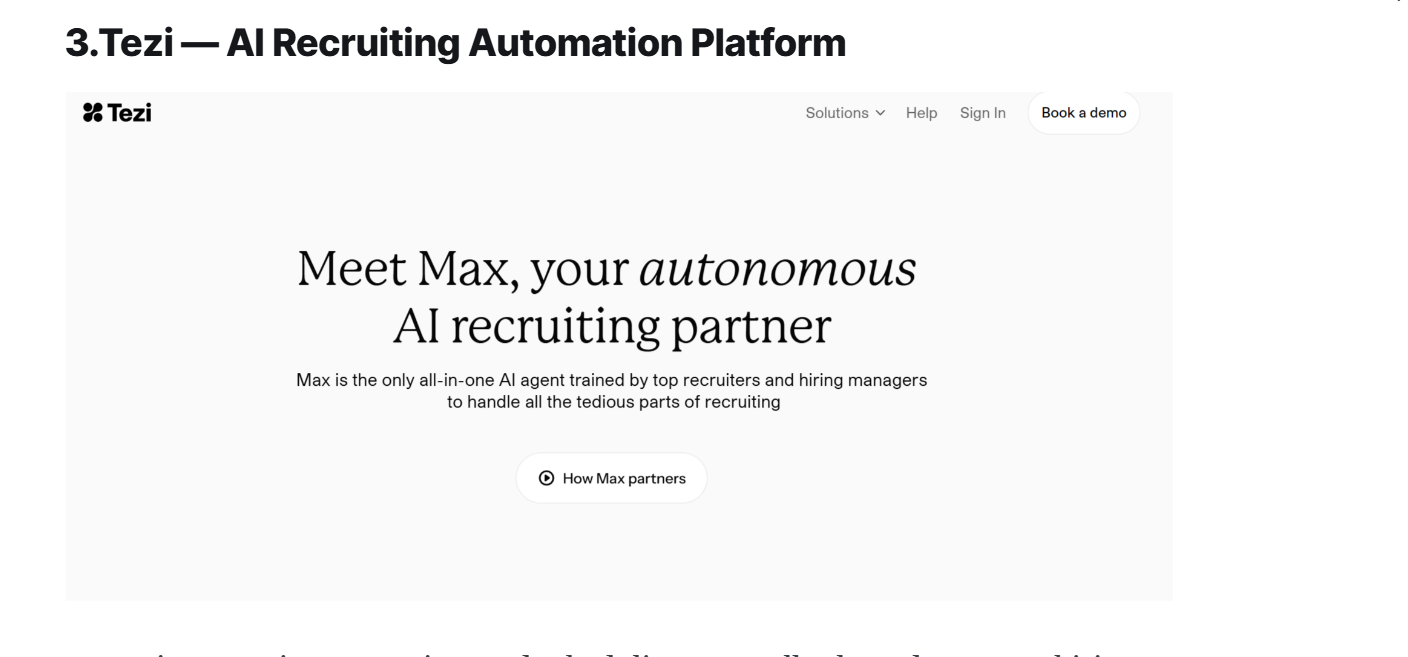
Tezi is an AI hiring software focused on automating candidate screening and early-stage evaluation.
It helps you quickly shortlist candidates by using AI to assess resumes, responses, and role fit without heavy manual effort.
This makes it useful for teams that want to speed up screening while maintaining consistency.
Key Features
Tezi is designed to simplify the initial stages of hiring.
- AI-based resume screening and candidate evaluation
- Automated shortlisting based on role requirements
- Structured candidate assessment workflows
These features help you reduce time spent on manual screening.
Pros:
- Speeds up candidate shortlisting significantly
- Reduces manual screening workload
- Simple and easy to use
Cons:
- Limited end-to-end hiring automation
- Less focus on sourcing and outreach capabilities
4. Eightfold AI
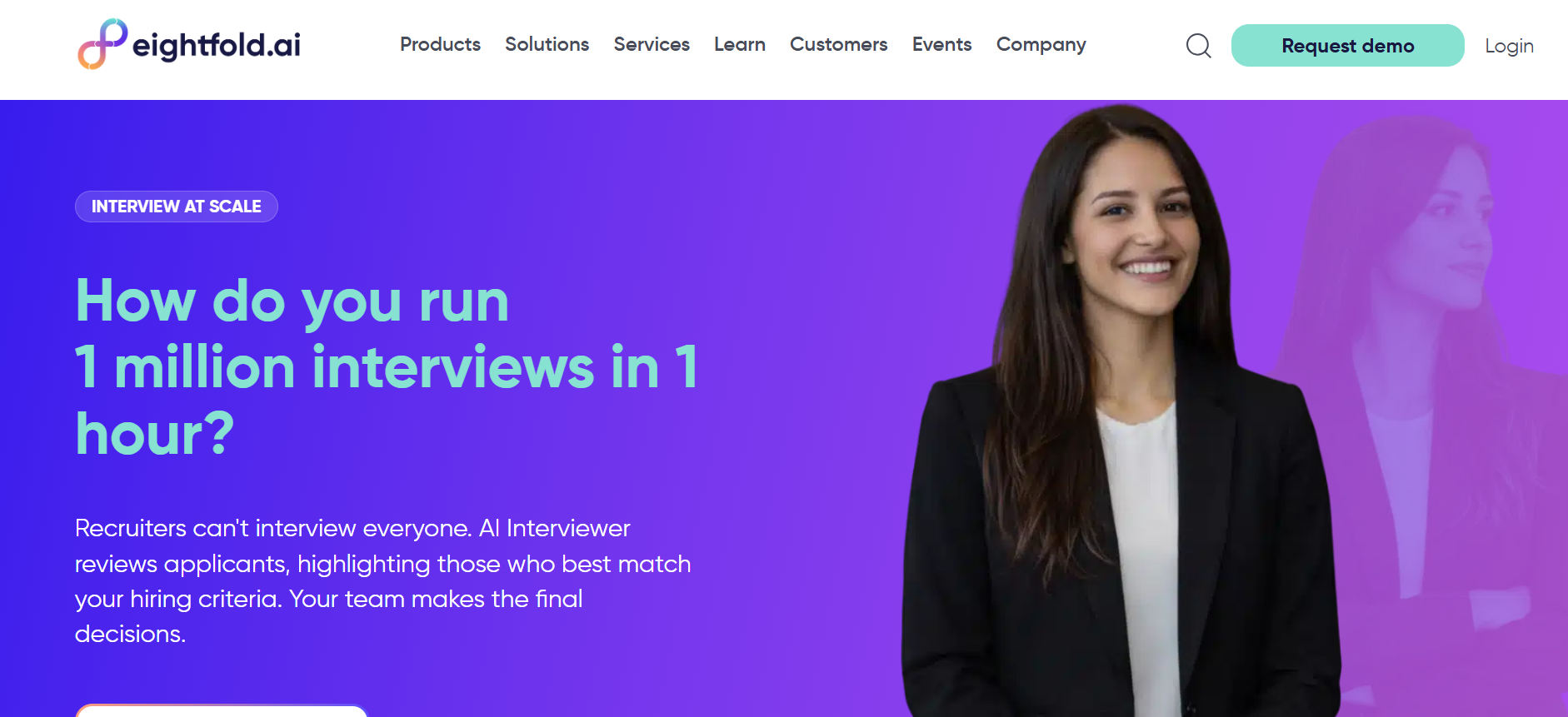
Eightfold AI is a talent intelligence platform designed for deeper, data-driven hiring decisions.
It goes beyond basic recruitment by using AI to match candidates, predict potential, and provide workforce insights.
This makes it ideal for organizations looking to build long-term talent strategies.
Key Features
Eightfold focuses on data, insights, and long-term workforce planning.
- AI-powered talent matching across large datasets
- Workforce analytics and talent insights
- Internal mobility and workforce planning tools
These features help you make smarter hiring and talent decisions at scale.
Pros:
- Deep analytics and advanced talent intelligence capabilities
- Strong matching accuracy across large talent pools
- Supports both hiring and workforce planning
Cons:
- Can be complex to implement and manage
- May be better suited for larger organizations than small teams
5. Paradox (Olivia)
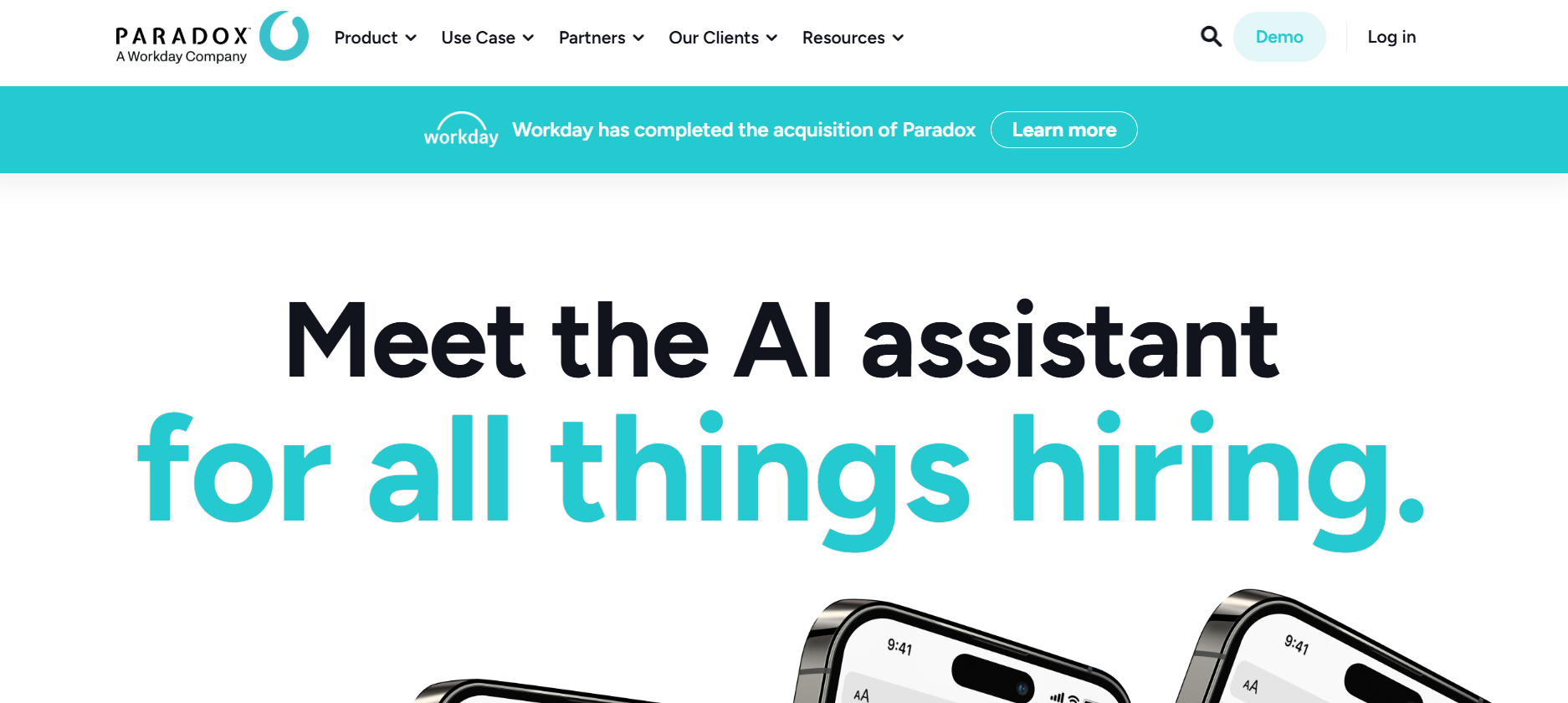
Paradox is a conversational AI powered hiring software designed to automate candidate interactions through chat.
It uses a chatbot named Olivia to handle screening, scheduling, and communication in real time.
This makes it ideal for teams that want faster engagement without constant recruiter involvement.
Key Features
Paradox focuses on automating candidate conversations at scale.
- Chatbot-based candidate screening and qualification
- Automated interview scheduling through conversational flows
- Real-time engagement across career sites and messaging platforms
These features help you respond instantly and keep candidates engaged.
Pros:
- Excellent candidate engagement through conversational AI
- Reduces manual back-and-forth communication
- Fast scheduling and screening workflows
Cons:
- Limited deep sourcing capabilities
- Less focus on end-to-end hiring automation
6. SeekOut
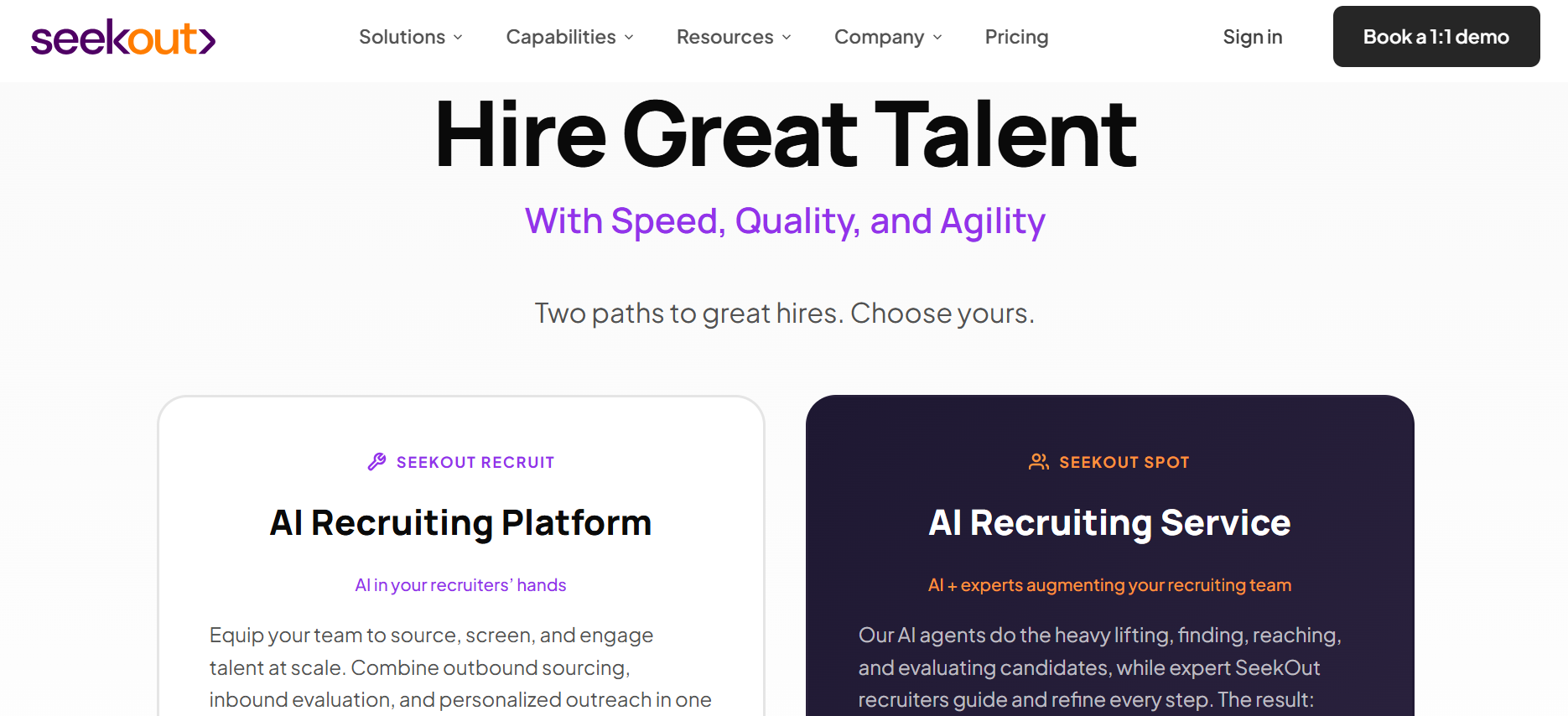
SeekOut is an AI hiring software focused on discovering and sourcing high-quality talent.
It helps you find candidates across multiple platforms using advanced filters and data insights.
This makes it especially useful for teams prioritizing talent discovery and diversity hiring.
Key Features
SeekOut is built for precision sourcing and talent insights.
- Advanced search filters across large candidate databases
- Diversity and talent pool insights
- Integration with existing sourcing workflows
These features help you identify and reach the right candidates faster.
Pros:
- Powerful sourcing and talent discovery capabilities
- Strong diversity insights and analytics
- Helps uncover hard-to-find candidates
Cons:
- Limited end-to-end automation
- Requires additional tools for full hiring workflows
7. Fetcher
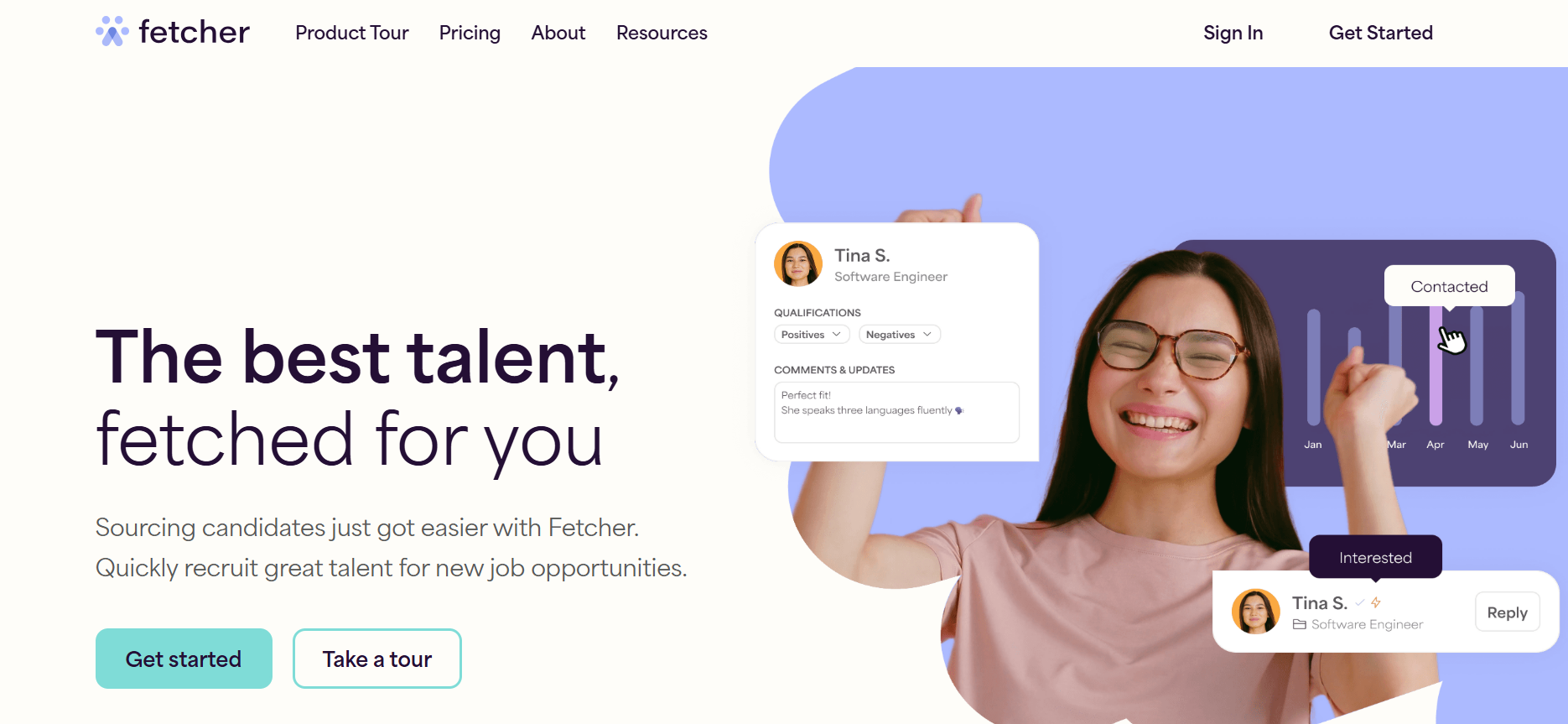
Fetcher is an AI-powered hiring software designed to simplify sourcing and outreach.
It combines automated candidate discovery with email outreach to help you build pipelines faster.
This makes it a good fit for teams focused on outbound recruiting efforts.
Key Features
Fetcher focuses on sourcing and engaging candidates efficiently.
- Automated candidate sourcing based on role requirements
- Email outreach campaigns with personalization
- Pipeline management for tracking candidates
These features help you maintain a steady flow of candidates.
Pros:
- Simplifies sourcing and outreach workflows
- Saves time on manual candidate search
- Easy to set up and use
Cons:
- Less comprehensive compared to end-to-end platforms
- Limited capabilities beyond sourcing and outreach
8. hireEZ
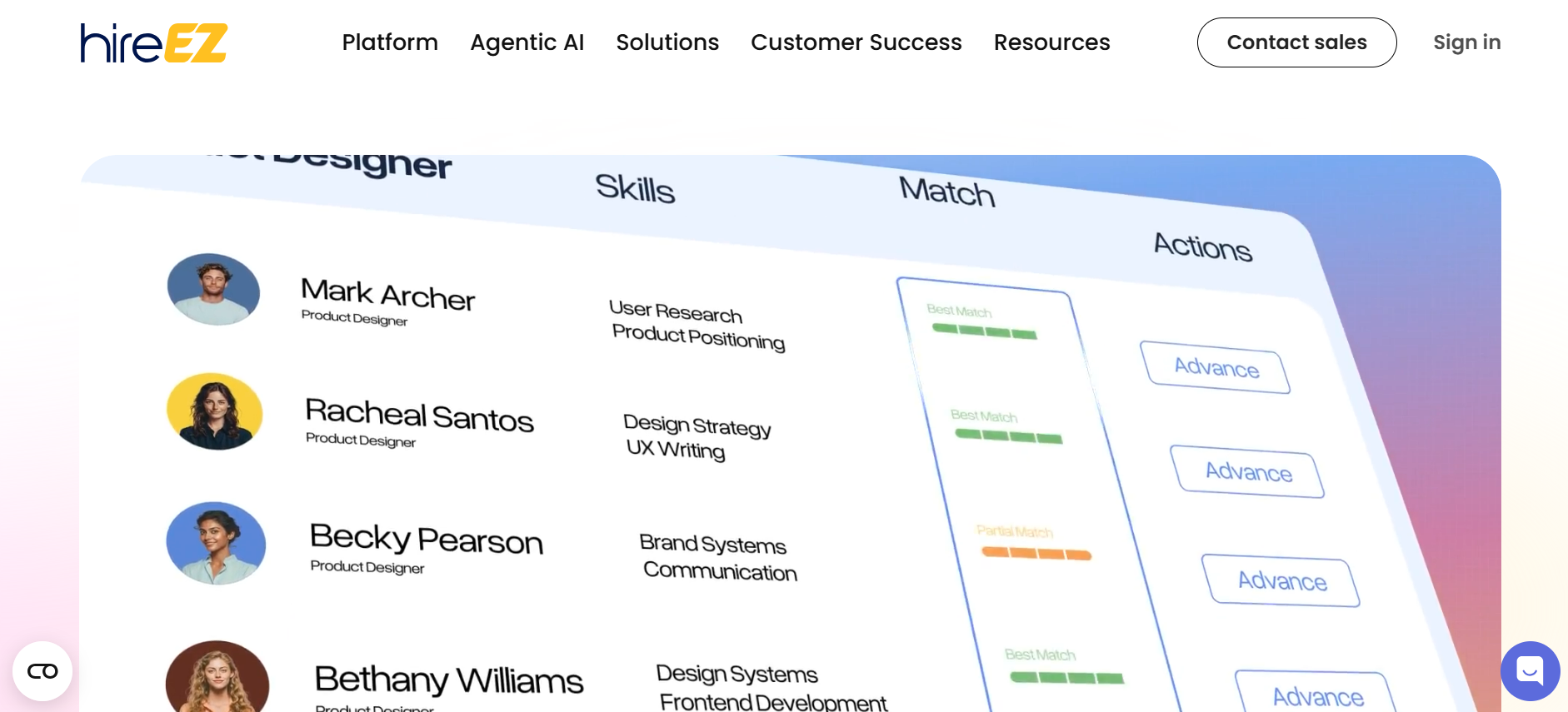
hireEZ is an AI powered hiring software that combines sourcing with CRM-like capabilities.
It helps you manage candidate relationships while also discovering new talent across platforms.
This makes it useful for teams looking to organize and nurture talent pipelines.
Key Features
hireEZ focuses on both sourcing and candidate relationship management.
- Access to large candidate databases for sourcing
- Outreach tools for engaging candidates
- CRM-style pipeline management
These features help you manage hiring workflows more effectively.
Pros:
- Strong sourcing capabilities across multiple channels
- Useful CRM features for managing candidates
- Helps maintain organized talent pipelines
Cons:
- Moderate automation compared to full AI platforms
- May require additional tools for complete hiring workflows
9. Humanly
Humanly is an AI hiring software focused on improving candidate engagement through conversations.
It uses chat-based interactions to screen candidates and handle scheduling efficiently.
This makes it suitable for teams looking to enhance communication without heavy manual effort.
Key Features
Humanly is designed to streamline early-stage candidate interactions.
- Chat-based screening and candidate qualification
- Automated interview scheduling
- Conversational workflows for engagement
These features help you engage candidates quickly and consistently.
Pros:
- Strong candidate engagement through chat workflows
- Reduces manual screening effort
- Easy to integrate into hiring processes
Cons:
- Limited sourcing capabilities
- Not a full end-to-end hiring solution
10. Zoho Recruit
Zoho Recruit is a broader applicant tracking system that includes AI features to support hiring.
It helps you manage candidates, automate workflows, and streamline recruitment processes in one platform.
This makes it a practical choice for teams looking for an affordable, all-in-one solution.
Key Features
Zoho Recruit combines ATS functionality with basic AI capabilities.
- Resume parsing for faster candidate screening
- Workflow automation for recruitment processes
- Candidate tracking and pipeline management
These features help you organize and manage hiring efficiently.
Pros:
- Affordable and easy to implement
- Covers end-to-end recruitment workflows
- Suitable for small to mid-sized teams
Cons:
- Less advanced AI capabilities compared to specialized tools
- Limited depth in automation and matching intelligence
How to Choose the Best AI Hiring Software for Your Team
Now that you’ve seen the top tools, the next step is choosing what fits your team best.
The right AI-powered hiring software depends on your hiring volume, team size, and how much automation you actually need.
1. Define Your Hiring Goals
Before choosing a tool, you need clarity on what you want to improve.
Are you trying to hire faster, reduce manual work, or improve candidate quality across roles?
Clear hiring goals help you filter out tools that don’t align with your priorities.
2. Evaluate Automation Needs
Not every team needs full automation from day one.
Some AI hiring software focuses on specific parts like sourcing or screening, while others automate the entire hiring workflow.
Choosing between partial and end-to-end automation depends on how much control and efficiency you want.
3. Consider Budget and Scale
Your budget should match both your current needs and future growth.
While some tools offer affordable entry points, others provide deeper automation that delivers better ROI at scale.
The key is balancing upfront cost with long-term hiring efficiency and team expansion.
Suggested Reading:
Recruitment Automation: Step-by-Step Guide for HR’sConclusion
AI hiring software is changing how teams hire by improving speed, reducing costs, and delivering better candidate quality.
The right tool depends on your hiring goals, team size, and how much automation you need.
If you’re looking for a balanced approach with end-to-end efficiency, starting with a scalable solution like Leelu.ai can help you simplify and grow your hiring process.
Frequently Asked Questions
1. What is AI hiring software pricing?
AI hiring software pricing varies depending on features, number of users, and hiring volume.
Most tools offer flexible plans, ranging from affordable monthly subscriptions to custom enterprise pricing based on automation depth and usage.
2. How much does AI hiring software cost for small teams?
AI hiring software for small business is usually designed to be budget-friendly.
You’ll find entry-level plans with essential features at lower monthly costs, making it easier to start without a large upfront investment.
3. Is AI hiring software for small businesses worth it?
For most small teams, the value is clear once you start using it.
AI hiring software helps you save time, reduce hiring costs, and improve candidate quality without needing a large recruiting team.
4. What affects AI hiring software pricing the most?
Pricing is mainly influenced by how advanced the tool is.
Factors like automation level, integrations, number of users, and access to advanced AI features play a big role in determining overall cost.