10 Employee Incentive Program Ideas That Actually Work
Keeping employees motivated is not as simple as offering a yearly bonus anymore.
Today, people want flexibility, recognition, growth, and rewards that actually feel meaningful to them. When your incentive programs align with what employees value, you create a workplace where performance improves naturally.
In this guide, you will learn:
- Why employee incentive programs matter
- 10 employee incentive program ideas that actually work
- Common mistakes companies should avoid
- How to choose the right incentive program for your team
Why Employee Incentive Programs Matter
Employee incentive programs do much more than improve short-term performance.
They help employees feel valued, motivated, and connected to the work they do every day. When people know their efforts are noticed and rewarded, they naturally become more engaged with their goals and responsibilities.
The link between motivation and performance
Motivated employees usually perform better because they feel a stronger sense of purpose in their work.
When incentives are tied to clear goals, employees understand what is expected and feel encouraged to put in consistent effort. This often leads to higher productivity, better teamwork, and improved employee retention.
Cash rewards support motivation when combined with recognition
Financial rewards can be highly effective, but money alone is not always enough to keep employees engaged long term.
People also want appreciation and recognition for their contributions. A simple public acknowledgment, combined with rewards like bonuses or gift cards, can make employees feel genuinely valued.
Clear and simple incentive programs drive better results
Complicated reward systems often create confusion instead of motivation.
Employees respond better when incentive programs are easy to understand, transparent, and achievable. Clear goals help teams stay focused and make it easier for businesses to measure the success of their programs.
10 Employee Incentive Program Ideas
The right employee incentive program can help you improve motivation, increase productivity, and create a more engaged workforce.
However, not all incentives deliver the same results. The most successful programs are those that align with employee expectations while supporting business goals.
Here are five employee incentive program ideas that consistently work across different industries and team sizes.
1. Performance Bonus Programs
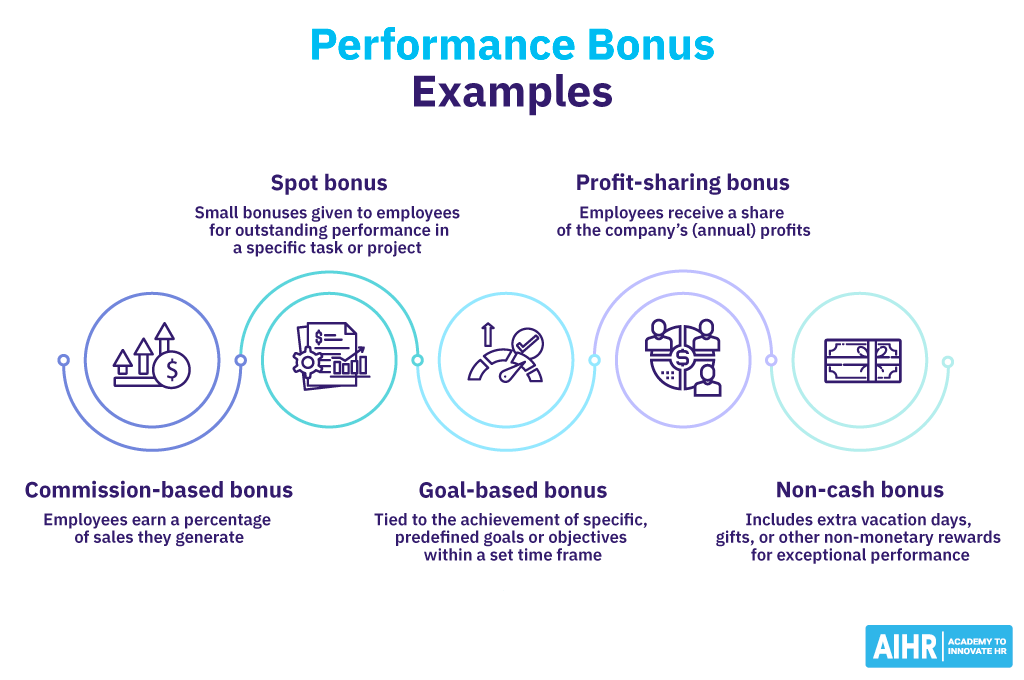
Performance bonus programs are one of the most common employee incentive ideas because they directly connect effort with rewards.
When employees know they can earn bonuses for achieving specific goals, they are often more motivated to stay productive and focused.
These bonuses can be tied to:
- Monthly or quarterly targets
- Sales performance
- Project completion goals
- Team achievements
- Customer satisfaction scores
The key is to make the goals realistic and transparent. Employees should clearly understand how rewards are earned and when they will receive them.
2. Employee Recognition Programs
Not every reward needs to be financial to make employees feel appreciated.
Sometimes, simple recognition can have a bigger emotional impact than cash rewards. Employees want to know their work matters and that their efforts are noticed by managers and teammates.
Recognition programs can include:
- Employee of the month awards
- Public appreciation during meetings
- Peer-to-peer recognition programs
- Digital appreciation boards
- Small achievement rewards
When recognition becomes part of company culture, employees often feel more connected and motivated to contribute consistently.
3. Flexible Work Incentives
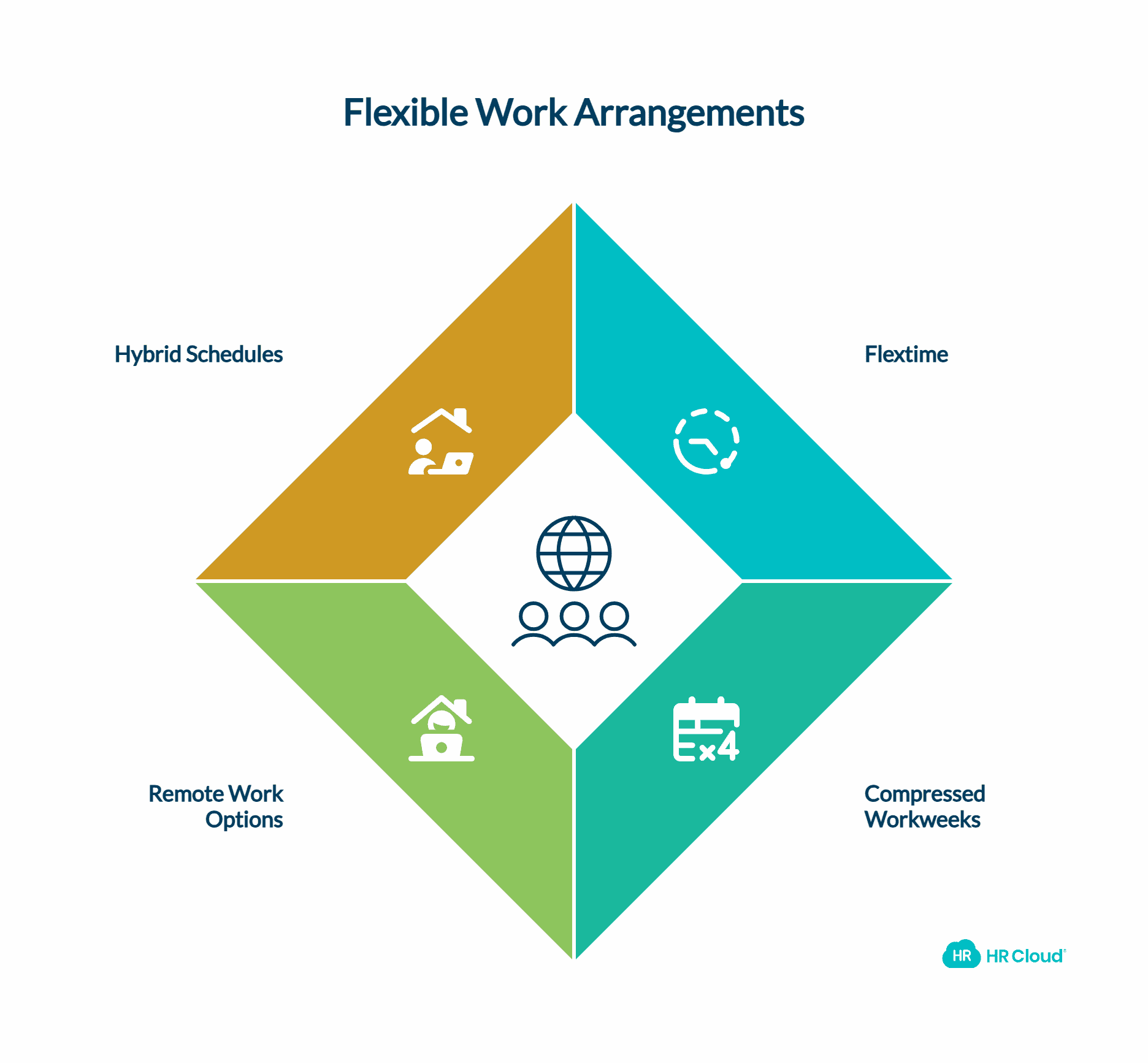
Work flexibility has become one of the most valued employee benefits in recent years.
Many employees now prioritize work-life balance just as much as salary, which is why flexible work incentives can improve both satisfaction and retention.
These incentives may include:
- Remote work options
- Flexible working hours
- Four-day workweeks
- Extra paid leave days
- Hybrid work arrangements
Giving employees more control over their schedules helps reduce burnout and creates a healthier work environment. In many cases, flexible teams also become more productive because employees can work in ways that suit them best.
4. Learning and Development Incentives
Employees are more likely to stay with companies that invest in their personal and professional growth.
Learning incentives show employees that the organization cares about their future instead of only focusing on short-term performance.
Businesses can support employee development through:
- Online course reimbursements
- Certifications and training programs
- Leadership development workshops
- Conference sponsorships
- Internal mentorship programs
These programs help employees build new skills while also improving the company’s long-term capabilities.
As employees grow, businesses benefit from stronger expertise, better innovation, and improved internal leadership.
Suggested Reading:
Performance Appraisal Guide: Methods, System and Examples5. Wellness Incentive Programs
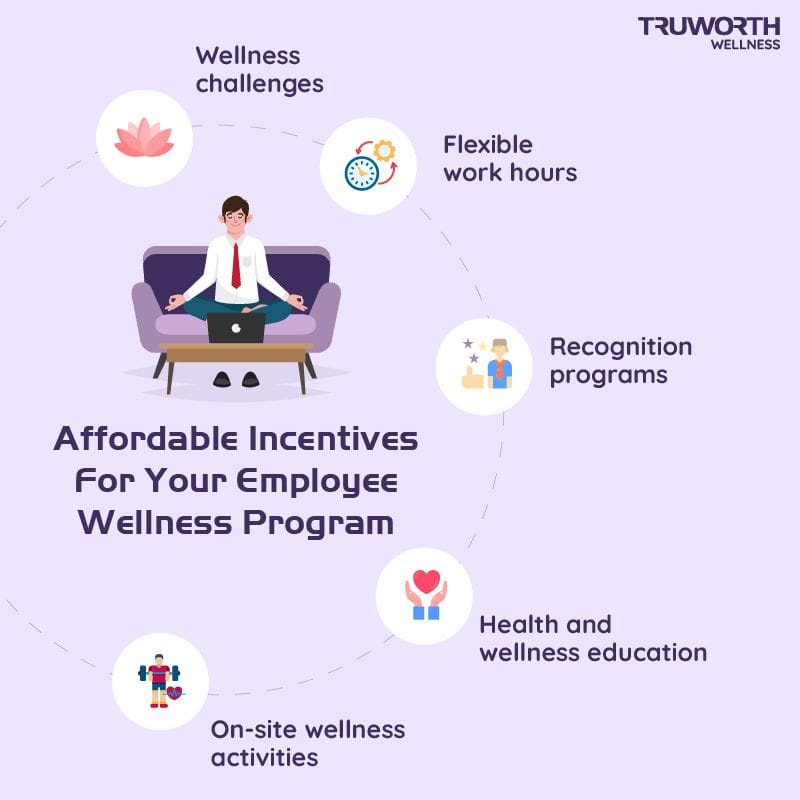
Employee wellness directly affects productivity, energy levels, and overall job satisfaction.
When employees feel physically and mentally healthy, they are more likely to stay engaged and perform consistently at work.
Wellness incentive programs can include:
- Gym membership reimbursements
- Mental health support programs
- Fitness challenges
- Healthy meal benefits
- Stress management workshops
Even small wellness initiatives can create a positive impact over time.
Employees appreciate workplaces that support their well-being, and this often leads to better morale, lower absenteeism, and stronger employee loyalty.
6. Profit-Sharing Programs
Profit-sharing programs help employees feel more connected to the company’s overall success.
Instead of rewarding only individual performance, these programs give employees a share of company profits when business goals are achieved.
This creates a stronger sense of ownership because employees can directly see how their contributions impact company growth.
Profit-sharing rewards may include:
- Annual profit bonuses
- Quarterly revenue-sharing payouts
- Company stock options
- Team-based profit incentives
- Retirement contribution bonuses
When employees feel financially connected to business performance, they are often more motivated to collaborate and support long-term company goals.
7. Referral Bonus Programs
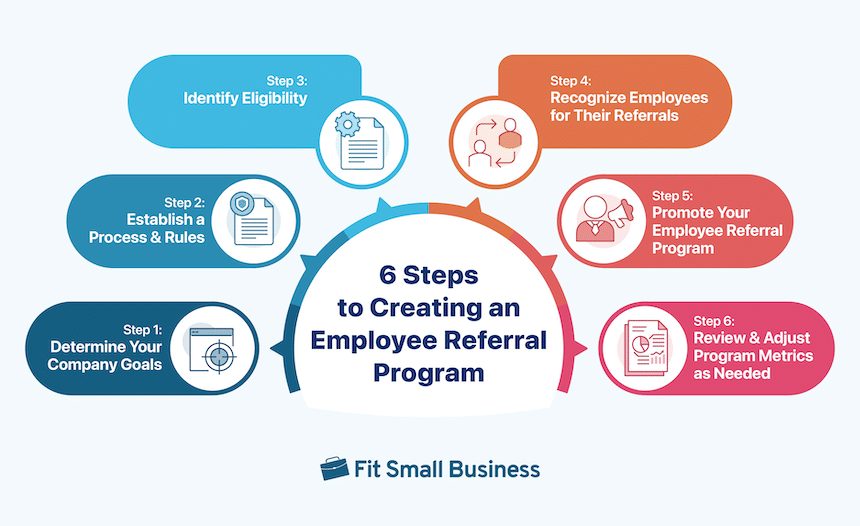
Employees usually understand company culture and job expectations better than anyone else.
That is why referral bonus programs can become one of the most effective hiring incentives for businesses looking to attract quality talent.
Instead of relying only on external recruitment channels, companies encourage employees to recommend skilled candidates from their own networks.
Popular referral rewards include:
- Cash bonuses for successful hires
- Extra paid time off
- Gift cards or travel rewards
- Tiered bonuses for hard-to-fill roles
- Team recognition for referrals
Referral programs often reduce hiring costs while improving employee retention because referred candidates are usually a better cultural fit.
8. Gamified Incentive Programs
Sometimes, adding a sense of competition can make work more engaging and enjoyable for employees.
Gamified incentive programs use challenges, leaderboards, points, and rewards to encourage participation and improve performance.
These programs work especially well for sales teams, customer support teams, and workplaces where repetitive tasks can reduce motivation over time.
Common gamification ideas include:
- Weekly performance challenges
- Reward points systems
- Achievement badges
- Team competitions
- Incentive-based leaderboards
The goal is not to create unhealthy competition.
Instead, gamification should make work feel more interactive while encouraging employees to stay motivated and involved.
9. Milestone and Loyalty Rewards
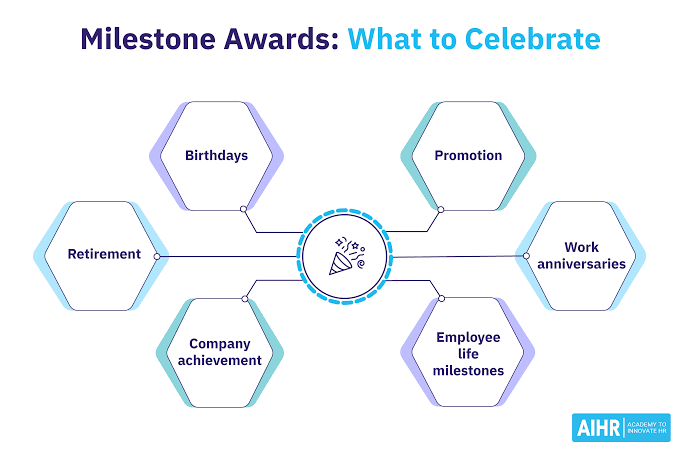
Employees who stay committed to a company for years want to feel appreciated for their loyalty and consistency.
Milestone rewards help businesses recognize important achievements and long-term contributions in meaningful ways.
These rewards can celebrate:
- Work anniversaries
- Project completion milestones
- Promotion achievements
- Years of service
- Personal accomplishments
Companies often combine milestone rewards with personalized appreciation messages, bonuses, or memorable experiences to make employees feel genuinely valued.
Even simple gestures can strengthen employee loyalty when recognition feels authentic and thoughtful.
Suggested Reading:
How to Retain Gen Z Employees: 11 Proven Strategies That Work10. Personalized Employee Rewards
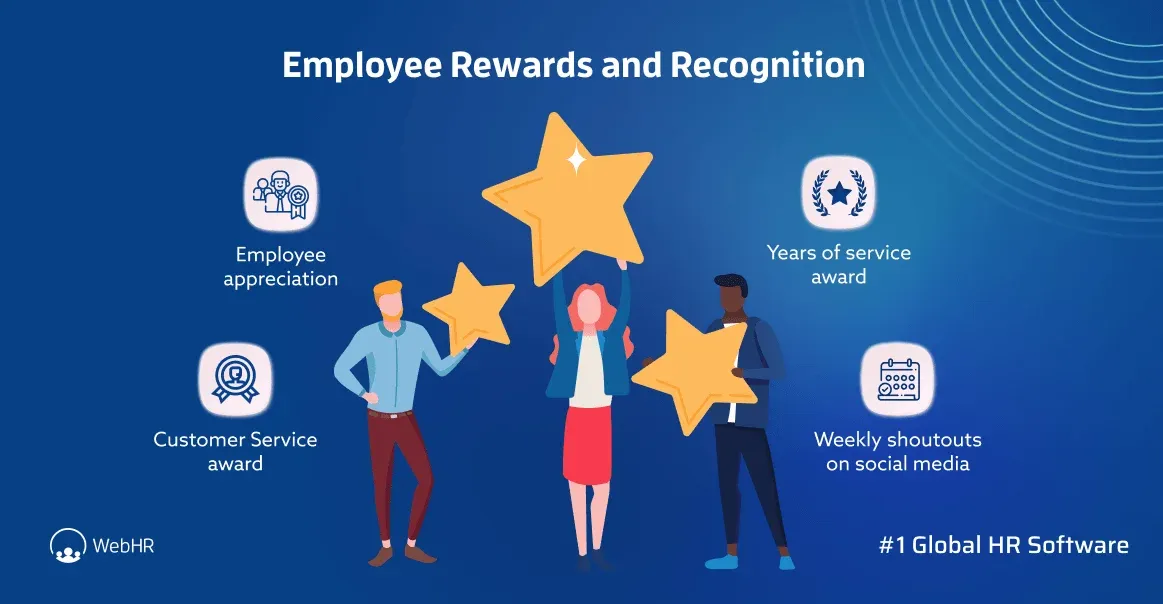
Not every employee is motivated by the same type of reward.
Some employees may value financial bonuses, while others may prefer flexibility, career growth opportunities, or extra time off.
Personalized rewards help companies create incentive programs that feel more relevant and meaningful to individual employees.
These rewards can include:
- Customized gift options
- Extra vacation days
- Flexible schedules
- Professional development opportunities
- Experience-based rewards
When employees can choose rewards that match their preferences, the incentive program often becomes more effective.
Personalized rewards also show employees that the company understands and values their individual needs instead of using a one-size-fits-all approach.
Common Mistakes to Avoid in Employee Incentive Programs
Even the best employee incentive ideas can fail if they are poorly planned or disconnected from what employees actually need.
Many companies introduce reward systems with good intentions, but small mistakes often reduce employee participation and long-term effectiveness.
Understanding these common issues can help you create programs that employees genuinely value.
Making rewards too complicated
Employees should not feel confused about how rewards are earned.
When incentive programs include too many rules, conditions, or unclear targets, employees may lose motivation instead of feeling encouraged.
Simple and transparent programs usually perform better because employees clearly understand the goals and rewards.
Ignoring employee feedback
An incentive program should not be created only from management assumptions.
Employees are the people directly experiencing the program, so their feedback matters. Regular surveys, conversations, and participation data can help you understand what employees actually enjoy and what needs improvement.
Offering rewards employees do not value
Not every employee is motivated by the same rewards.
Some employees may value bonuses, while others prefer flexibility, learning opportunities, or additional time off. If rewards feel irrelevant, participation and engagement will naturally decrease.
This is why personalized incentives often deliver stronger results.
Focusing only on short-term results
Short-term incentives can improve performance quickly, but they should not be the only focus.
Programs that only reward immediate results may create unhealthy pressure or reduce long-term employee satisfaction. The best incentive programs balance short-term motivation with long-term growth, recognition, and employee well-being.
How to Choose the Right Incentive Program
Not every employee incentive program works the same way for every business.
The right approach depends on your company culture, team expectations, and long-term goals. Instead of copying what other companies are doing, focus on building programs that genuinely support your employees and business growth.
Understand employee needs
The most effective incentive programs start with understanding what employees actually value.
Some employees may prefer financial rewards, while others care more about flexibility, career growth, or recognition. Regular feedback and simple employee surveys can help you identify what motivates your team the most.
Align incentives with business goals
Your incentive programs should encourage behaviors that support company objectives.
For instance, if your goal is improving customer satisfaction, rewards should focus on service quality instead of only speed or sales numbers. This creates better alignment between employee performance and business success.
Start small and improve over time
You do not need to launch a complex incentive system immediately.
Starting with smaller programs allows you to test what works best for your team. Over time, you can improve the structure based on participation, feedback, and results.
Measure what is working
An incentive program should continuously evolve based on performance data and employee response.
Track metrics like engagement, productivity, retention, and participation rates to understand whether the program is creating meaningful impact.
Conclusion
The best employee incentive programs are not always the most expensive ones.
What truly matters is creating rewards that employees genuinely value and connecting those incentives to clear goals and recognition. When employees feel appreciated, supported, and motivated, they naturally become more engaged in their work.
Whether you choose performance bonuses, flexible work incentives, wellness programs, or personalized rewards, the key is to keep improving based on employee feedback and business needs.
A thoughtful incentive program can strengthen workplace culture, improve retention, and drive long-term business growth.
Frequently Asked Questions
1. What is an employee incentive program?
An employee incentive program rewards employees for performance, engagement, loyalty, or achievements to improve motivation, productivity, and workplace satisfaction.
2. Why are employee incentive programs important?
They help improve employee motivation, retention, engagement, productivity, and overall workplace morale while supporting long-term business growth.
3. What are the most effective employee incentives?
Performance bonuses, flexible work options, recognition programs, wellness benefits, and personalized rewards are some of the most effective incentives.
4. How do companies choose the right incentive program?
Companies should understand employee needs, align rewards with business goals, gather feedback, and regularly measure program effectiveness.
5. Can non-monetary incentives motivate employees?
Yes, recognition, flexibility, career growth opportunities, and wellness benefits often motivate employees just as effectively as financial rewards.